


The company is committed to the development, promotion and application of new wear-resistant materials, new technologies and new products, and has established long-term cooperative relationships with harbin boiler, dongguo, dongfang electric, wuxi huaguang, sichuan boiler, etc. It has been recognized as "henan province science and technology small and medium-sized enterprises" and "henan province innovative pilot enterprise" by the henan provincial department of science and technology; "henan province bauxite high temperature material engineering technology research center" recognized by the henan provincial department of industry and information technology; december 2019 it passed the integration certification of industrialization and informatization by the national industry and information technology commission in march; it was recognized as a "specialized, special and innovative" enterprise in 2020; it was recognized as a national high-tech enterprise in 2021.
Why Choose Us
Our factory
The company is committed to the development, promotion and application of new wear-resistant materials, new technologies and new products, and has established long-term cooperative relationships with harbin boiler, dongguo, dongfang electric, wuxi huaguang, sichuan boiler, etc.
Our products
High density and high strength ceramsite proppant,low density and high strength ceramsite proppant,medium density high strength ceramsite proppant,ultra low density and high strength ceramsite proppant.
Production market
Zheng nai petroleum's fracturing proppant products fully comply with the standards of the fracturing acidification center proppant evaluation laboratory of langfang branch of china petroleum exploration and development research institute, the american stim-lab, and the british frac-tech laboratory.
Our certificate
The product performance has reached the international leading level and passed american petroleum institute apiq1 certification.The laboratory of henan zhengnai new materials co., ltd. Has passed the national laboratory accreditation cnas certification.

The frac proppant production line is an industrial production line used to produce frac proppant. Petroleum fracturing proppant is a support material used in the oil and natural gas extraction process. It can maintain high conductivity of oil and gas wells and increase oil and natural gas production.

Ceramsite sand has high fracturing strength and is mainly used for underground support in oil fields to increase the production of oil and natural gas. It is an environmentally friendly product. This product uses various raw materials such as high-quality bauxite and coal, and is sintered with ceramics.
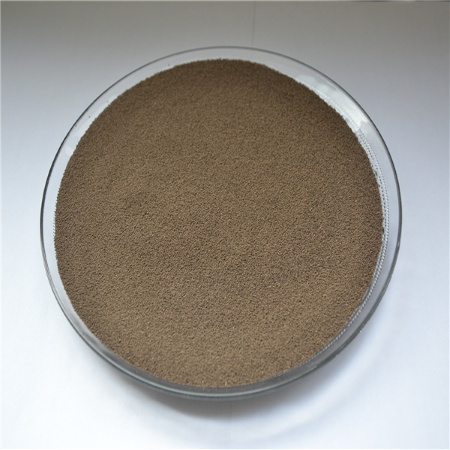
Petroleum fracturing proppant is an important material used in the oil and gas extraction process. Its main function is to support artificial fractures during the hydraulic fracturing process to increase the production of oil and gas wells.
What is Frac Sand Proppant?
Frac sand proppant is a type of granular material predominantly composed of naturally occurring quartz sand grains, specifically selected for its suitability in hydraulic fracturing applications within the oil and gas industry. Known for its superior physical properties, such as high crush resistance, roundness, and sphericity, frac sand proppant effectively maintains open fractures in subterranean rock formations created during the fracturing process. This enables enhanced flow of hydrocarbons, such as oil and natural gas, towards extraction wells, thereby increasing production rates and improving overall well performance.
Cost effectiveness
Using proppants can be more cost-effective than traditional drilling methods, allowing companies to extract more oil and natural gas from a single well.
Improved safety
Proppants can make hydraulic fracturing safer by reducing the risk of blowouts and other accidents.
Greater control over fracing
Proppants allow for greater control over the fracing process, allowing companies to target specific areas of a rock formation and extract the most oil and natural gas.
Greater crush strength
As well bores get deeper, the pressure on proppants gets higher, and frac sand is not always up to the task.Sand proppants can withstand a much greater crush strength than traditional frac sand products – up to 10,000 psi.¹ this allows drillers to access much deeper shale formations.
Why Does Frac Sand Storage Matter
The logistics of frac sand are extremely complicated but essential for the operation's success. This complex, dynamic process is managed through four key areas, including frac sand storage.
Containers and silos are two broad categories of frac sand storage options. Containers are typically used for higher-volume jobs with higher flow rates (such as multi-well pads), whereas silos are frequently used for single-well pads and difficult well site locations/configurations.
There are a lot of advantages to using silos and containers for proppant storage. They're easy to build, and can be expanded as needed. They can also be filled with proppant before the well is even drilled.
But there are downsides: Both must be constructed before the well site is built, meaning you need a crane on site-which can be tricky if you're working on a small well pad with difficult roads. Silos typically take up more space than containers do. Containers provide storage and transportability in one structure, but they lack the storage capacity of a silo. Neither of these will provide the solutions if you need a transportable, expandable storage structure.
The Different Types of Classifying Equipment for Frac Sand Proppant
Dewatering screens
In the frac sand industry, dewatering screens are used to separate sand particles from water and other materials. These screens are designed to remove excess water from the sand, making it easier to handle and transport. Dewatering screens typically consist of a series of panels fitted with screen media, allowing water to pass through while retaining the sand particles. Water is drained as the sand is conveyed across the screen, and the resulting dry material is discharged for further processing.
Filter presses
Filter presses are commonly used in the frac sand industry for dewatering and separating solids from liquids. Producing frac sand generates a significant amount of wastewater that must be treated and disposed of properly. Filter presses are an efficient and effective solution for this purpose, as they can separate the solids from the liquid and produce a dry cake that can be easily disposed of. They also handle large volumes of wastewater, making them well-suited for applications with high water outputs.
Hydrocyclones
These devices use centrifugal force to separate sand particles from water. The hydrocyclone operates by pumping a slurry mixture into a cylindrical chamber, where it spins at high speeds. As the mixture spins, centrifugal forces push the denser sand particles towards the chamber's walls, while the lighter water and fines flow towards the chamber's center and are discharged through an overflow outlet. The separated sand is then collected and sent on for further processing. Hydrocyclones are preferred in frac sand applications due to their high efficiency, low cost, and ability to handle large volumes of material.
Hydrosizers
These sand solutions classify and separate sand particles based on their size, density, and other physical characteristics. The hydrosizer introduces a slurry of sand and water into a tank where it's subjected to a controlled flow of water that separates the sand into different size fractions. The larger particles settle to the bottom of the tank while the water flow carries away the smaller particles. This process is critical in producing frac sand with the right size and shape specifications for hydraulic fracturing.
Regular inspection and cleaning
Regular inspections of your frac sand storage system are vital to identify any signs of wear, damage, or blockages. Inspect hoppers, conveyors, and transfer points for signs of material buildup or clogging. Clean any accumulated debris or dust to prevent system inefficiencies.
Lubrication and belt maintenance
Proper lubrication is essential for the smooth operation of conveyor belts and other moving components within the storage system. Follow the manufacturer's recommendations for lubrication intervals and use the appropriate lubricants. Regularly inspect belts for signs of wear, tears, or misalignment. Adjust tension and replace worn-out belts promptly to prevent costly repairs or unplanned downtime.
Dust collection and ventilation
Dust control is a significant concern in frac sand storage systems due to the fine particles generated during handling and transfer. Implementing an effective dust collection and ventilation system is crucial for maintaining air quality and preventing dust accumulation in equipment and surrounding areas. Regularly inspect and maintain dust collection systems, including filters, ductwork, and fans, to ensure they function optimally.
Structural integrity
Inspect the structural components of your frac sand storage system, such as bins, silos, and support structures, for any signs of corrosion, cracks, or degradation. Address any issues promptly to prevent potential failures resulting in safety hazards and material loss.
Electrical and control systems
Proper functioning of electrical and control systems is essential for the overall operation of frac sand storage systems. Regularly inspect electrical components, such as motors, switches, and wiring, for signs of damage or wear. Test control systems to ensure accurate monitoring and control of material flow.
The Production Process Of Frac Sand Proppant
Vegetation removal
The first step in the frac sand mining process for industrial providers is to remove all vegetation from wells and drill sites. Most frac sand mines are located in remote areas, so tree and vegetation removal should be done before drilling.
Excavation
Excavation equipment like backhoes and front-end loaders scoop sandstone rocks and deposit them into trucks that haul material to a processing facility. The collection of sandstone occurs near the wall of the mine pit.
Topsoil and rock layer removal
Overlying soil and unwanted rock layers must be removed to reach the targeted sandstone. Industrial scrapers and tracked excavators remove the topsoil and rock layers. The removed sections are stacked around the mine to serve as light and noise barriers during mine reclamation.
Sandstone removal
Sandstone, specifically mined for frac sand, is cemented together as a rock. Sandstone is a sedimentary rock that might be loose enough to remove without blasting. However, large deposits need to be broken apart with explosives. Holes drilled near the edge of the mine wall break the sandstone material into smaller pieces.
Reject material settling
Reject materials like clay and silt are moved to holding ponds following the washing process. Water is then reused to transport and wash sand in the future.
Dry reject material
Dry reject material like sludge in settling ponds is moved, allowing the material to drain before being added to the reclamation pile.
Reduction
The excavated sandstone is broken into grain sand using an industrial crusher. Once processed, the sand is washed, sifted, separated, and tested before stockpiling and sold. Leftover materials like grains too large to use as frac sand are separated and sold as an alternative industrial sand product. Some of the extra material is added to reclamation piles.
Backfiling unwanted rock
Mines are filled with unwanted rock and other rejected materials during reclamation. When our previously mentioned excavation step occurs, the area behind is filled in with these materials. The new surface will be coated with stockpiled topsoil and replanted in accordance with reclamation.
Wash sand
We've reached the frac sand production stage where commercial experts have already removed sandstone from wells and drilling sites. Next, we have to wash the sand. Sand grains are cleaned to remove unwanted clay particles and silt.
Clean sand is then pumped to settling tanks where flocculants are added to remove the remaining particles. Unusable sand containing particles infiltrating the material is reused as industrial sand, along with clay particles and silt.
Some providers utilize belt presses to remove water from flocculated sediment to avoid costly settling tanks and pond treatment. Belt presses are fast, recycle more water, and require less water for cleaning the processed sand.
Stockpile sand for final stages
Washed and cleaned sand is stockpiled into trucks for the final drying and sorting at company facilities. Some sand at this point may still contain moisture. Drain tiles beneath the stockpiled sand transport water to a designated line-process water pond. Providers utilize these ponds to catch excess moisture and water, and then repeat the cycle to wash and transport sand.
Drying and sorting also occur in this stage of the frac sand production process. Experts sort material into grain-size ranges to meet industry standards and specifications. The final product is then shipped to client destinations.
Frac sand mining involves several distinct stages, each essential for extracting, processing, and delivering high-quality sand to fracing sites.
Exploration and site selection
Mining companies begin by identifying potential frac sand deposits through geological surveys and exploratory drilling. Factors such as sand quality, accessibility, and environmental considerations influence site selection.
Extraction
Once a suitable site is identified, the extraction process begins. Open-pit mining and underground mining are the two primary methods used. Open-pit mining involves removing layers of soil and sand using heavy machinery, while underground mining accesses deeper deposits through tunnels and shafts.
Processing
Raw frac sand undergoes extensive processing to meet the stringent specifications required for hydraulic fracturing. This process involves washing, drying, and screening the sand to remove impurities and ensure uniform particle size and shape.
Transportation
After processing, the frac sand is transported to storage facilities or directly to fracking sites. Trucks, trains, and barges are commonly used for transportation, depending on the proximity of the mining operation to the destination.
Utilization
Upon reaching the fracking site, the frac sand is mixed with water and chemicals to form a slurry, which is then injected into the well at high pressure. The sand particles act as proppants, holding open the fractures created in the rock and releasing oil and gas.
Certifications


Our Factory
The company is committed to the development, promotion and application of new wear-resistant materials, new technologies and new products, and has established long-term cooperative relationships with harbin boiler, dongguo, dongfang electric, wuxi huaguang, sichuan boiler, etc. It has been recognized as "henan province science and technology small and medium-sized enterprises" and "henan province innovative pilot enterprise" by the henan provincial department of science and technology; "henan province bauxite high temperature material engineering technology research center" recognized by the henan provincial department of industry and information technology; december 2019 it passed the integration certification of industrialization and informatization by the national industry and information technology commission in march; it was recognized as a "specialized, special and innovative" enterprise in 2020; it was recognized as a national high-tech enterprise in 2021.


FAQ
Hot Tags: frac sand proppant, China frac sand proppant manufacturers, suppliers, factory, ceramsite for dams, expanded clay aggregate for retaining wall projects, medium density lightweight aggregate for pavement systems, lightweight aggregate in industrial sector, medium density expanded clay aggregate for industrial settings, ceramic aggregate for agricultural projects


