

Proppants are the primary materials used in well stimulation operations for shale or tight oil reservoirs. Their main function is to create open flow channels-enabling energy resources to flow out of these reservoirs-and to keep the fractures generated during the hydraulic fracturing process (fracking) propped open.
Characteristics
The key properties that proppants must possess include: high compressive strength and resistance to diagenesis, high sphericity and roundness, controllable grain size, high conductivity, and low cost. Proppants are a critical component for ensuring flow conductivity and, ultimately, guaranteeing the success of the operation. As an integral part of the hydraulic fracturing process, proppants are widely recognized as one of the most impactful innovations in the oil industry in the 21st century. By combining advanced drilling techniques with highly sophisticated fracturing designs, modern proppant solutions help enhance well productivity, thereby boosting oil and natural gas output day after day.
Silica Sand as a Proppant
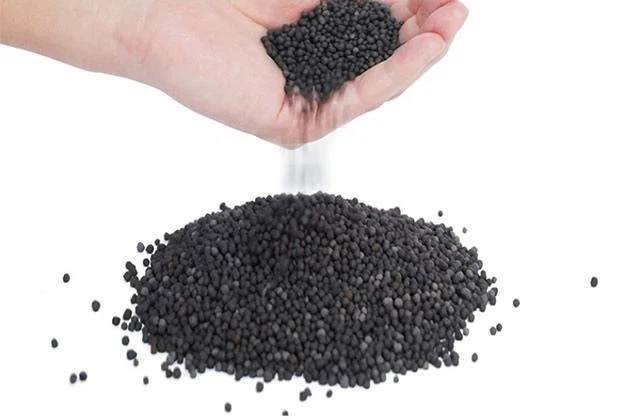
Frac sand is a naturally occurring crystalline silica (quartz) sand processed from high-purity sandstone. The composition of frac sand differs slightly from other types of sand, as quartz grains are the primary constituent of most coastal sands. The distinction lies in the fact that other sands are typically mixtures of various minerals and rock fragments, rendering them less durable than quartz sand. Frac sand grains possess exceptional crush resistance and a uniquely rounded shape, making them an ideal material for the hydraulic fracturing process.
What Is the Role of Frac Sand?
Frac sand plays a vital role in the shale fracturing process by facilitating the release of natural gas, oil, and natural gas condensates from the pores within the rock formation. When high-pressure water is injected to force tiny fissures to expand into larger fractures, the function of the frac sand is to hold these fractures open, thereby ensuring the continuous flow of fossil fuels. The frac sand used to prop open these fractures is referred to as a "proppant." It is imperative to keep these fractures open to prevent them from collapsing and blocking the pores through which natural gas and oil are extracted. Consequently, the durability and compressive strength of the proppant are of paramount importance. The longer the proppant can withstand the immense pressure within the fractures, the greater the volume of oil that can be extracted, thereby maximizing the overall efficiency of the well.