

Frac sand is a specialized, high-purity quartz sand that is used primarily in the energy industry. It is used in the hydraulic fracturing process, where sand is injected into deep wells along with water and chemicals to create cracks in underground rock formations. These cracks help release trapped oil and gas so they can be extracted. Frac sand keeps these cracks open so the oil and gas can flow freely back to the surface. The defining characteristics of frac sand include:
Purity: Frac sand is typically more than 99% quartz pure.
Shape: It has a round, spherical shape that allows it to pack tightly and efficiently.
Strength: Frac sand is extremely resistant to breaking, ensuring it can withstand the high-pressure conditions deep underground.
Regular sand is used in construction, glassmaking, and other industries and comes from a variety of sources, including riverbeds, beaches, and deserts. Regular sand is primarily composed of silicon dioxide (SiO2), which is also the basis for frac sand. However, regular sand may contain other substances, such as feldspar, mica, and iron oxide, which can affect its color, shape, and strength. These impurities make regular sand unsuitable for hydraulic fracturing.
The industry sometimes refers to regular sand as "silica sand," especially when it is composed primarily of silicon dioxide. The term "silica" refers to the atomic structure of silicon dioxide, which has the same chemical composition as quartz.
Key Differences Between Frac Sand and Regular Sand
These differences explain why frac sand is suitable for hydraulic fracturing and why regular sand is not suitable for this purpose.
Purity: More Than Just Quartz
Frac sand is over 99% quartz, which means it has few impurities. This purity is critical to the role that frac sand plays in hydraulic fracturing. Impurities such as feldspar, mica, or iron oxide can weaken the sand or create irregular shapes that make it unsuitable for the high-pressure environments it needs to withstand.
Regular sand, on the other hand, can contain a variety of other minerals and particles, depending on its source. River sand may contain organic matter, while desert sand may be covered with a layer of dust or other impurities. While these impurities may not affect the use of sand in construction, they can prevent regular sand from being used in fracking applications.
Shape: Spherical Grains for Maximum Efficiency
Frac sand is known for its highly spherical shape, which allows it to pack tightly into the fractures created during the hydraulic fracturing process. This sphericity is important because it leaves plenty of open space for these resources, maximizing the flow of oil and gas through the fractures.
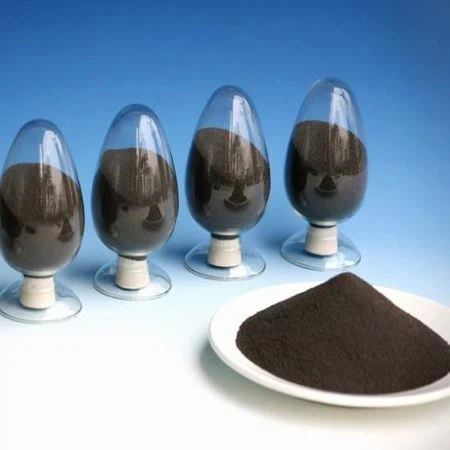
Regular sand grains are often more irregular in shape, ranging from angular to sub-angular. These jagged shapes cannot be packed tightly, which reduces the sand's ability to hold fractures open. In hydraulic fracturing, this results in less efficient oil and gas extraction because the fractures close too quickly.
Strength: Ability to withstand pressure
When sand is injected into fractures during the hydraulic fracturing process, they are subjected to tremendous pressure-thousands of pounds per square inch (PSI). If the sand grains break under this pressure, the fractures close, reducing the efficiency of the well.
Frac sand is selected for its extreme hardness and ability to resist crushing under such high pressures. The Mohs hardness scale (which measures the hardness of minerals) rates quartz at 7 out of 10, meaning it is very resistant to deformation.
In contrast, regular sand doesn't need to withstand such high pressures. Its use in construction, manufacturing, or glass production doesn't require it to hold underground cracks open. As a result, regular sand doesn't have the same level of compressive strength and is therefore unsuitable for hydraulic fracturing.
Applications in Hydraulic Fracturing
Frac sand is essential in the hydraulic fracturing process, an industry in which regular sand has no use. During fracking, frac sand is mixed with water and chemicals to make a "fracking fluid" that is then injected into a well to blast open shale. Once the rock is broken, the frac sand keeps the cracks open, allowing oil and gas to flow to the surface. Meanwhile, regular sand has uses in other industries. For example:
Construction: Regular sand is used to make concrete, which is essential for infrastructure construction.
Glassmaking: High-purity silica sand (similar to frac sand, but used for different purposes) is a key ingredient in glass production.
Landscaping: Regular sand is used to level surfaces and for various landscaping purposes.