

Hydraulic fracturing-often referred to simply as "fracking"-has revolutionized the way hydrocarbons are extracted from unconventional reservoirs, such as shale. This process involves injecting a high-pressure fluid mixture underground to create fractures, enabling the energy industry to access vast oil and gas resources that were once considered unrecoverable.
A critical component of this process is the proppant-a material used to prop open the fractures, allowing hydrocarbons to flow freely toward the wellbore and ultimately to the surface.
The effectiveness of hydraulic fracturing depends not only on the creation of fractures but also on keeping them open over the long term to ensure sustained production. Proppants are designed for this very purpose; however, not all proppants perform alike. Their performance varies significantly based on factors such as size, shape, material composition, and conductivity. This article explores the different types of proppants, their importance in the fracturing process, innovations in proppant technology, and how advancements in proppant design help enhance oil and gas recovery rates.
What Are Hydraulic Fracturing Proppants?
Proppants are small, solid particles injected into the fractures created during hydraulic fracturing. Their function is to prevent the fractures from closing once pumping pressure is reduced. By propping the fractures open, they create channels for oil and gas to flow from the rock formation into the wellbore. Common proppant materials include:
Silica Sand (Frac Sand): Due to its low cost and wide availability, silica sand is the most commonly used type of proppant. It has been widely utilized since the inception of hydraulic fracturing technology. While economical, silica sand is prone to crushing and performs poorly under the high-pressure conditions found in deep reservoirs.
Ceramic Proppants: Made from sintered bauxite or other alumina-rich materials, these proppants are designed to withstand higher pressures than silica sand. They are frequently used in deep wells, where the stress exerted on the proppant is greater. Their higher cost is justified by their superior durability and ability to maintain conductivity under harsh conditions.
Resin-Coated Proppants: These proppants consist of a silica or ceramic core coated with a layer of resin. Resin coating helps prevent proppant flowback (the movement of proppant particles toward the wellbore) and enhances the overall strength and durability of the proppant.
The Science Behind Proppant Selection
Selecting the appropriate proppant is not a one-size-fits-all process; it depends heavily on reservoir conditions, fracture geometry, well depth, and economic factors. Engineers must balance proppant cost against performance to optimize well productivity.
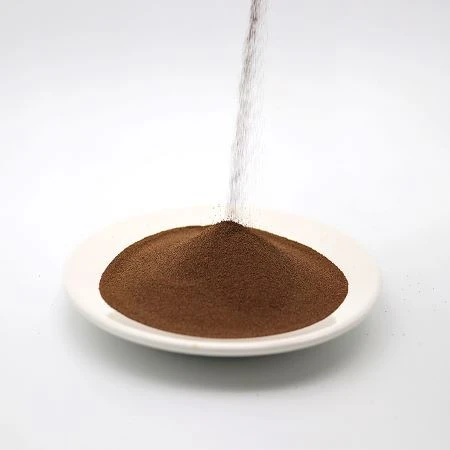
Proppant Strength: Proppants must be strong enough to withstand the closure stress exerted by the rock formations surrounding the fracture. If proppant particles are crushed, fracture conductivity decreases, thereby reducing the flow of oil and gas. Quartz sand is often sufficient for shallow wells, whereas deeper formations require higher-strength proppants, such as ceramic materials.
Proppant Particle Size: The size of proppant particles affects the ease with which they are transported by fracturing fluid and their effectiveness in keeping the fracture open. Larger particles offer higher conductivity but may be more difficult to transport into narrower fractures. Conversely, smaller particles are easier to pump but may provide lower conductivity. Proppant particles in the 20/40 mesh range are commonly used, meaning the particle diameters fall between 0.84 mm and 0.42 mm.
Proppant Shape: Ideally, proppants should be spherical to maximize inter-particle void space and improve fluid flow. Irregularly shaped particles may become lodged in the fracture or reduce conductivity by obstructing flow paths.