

Hey there! I'm a supplier of China frac proppant, and today I wanna talk about the flow conductivity of our amazing products.
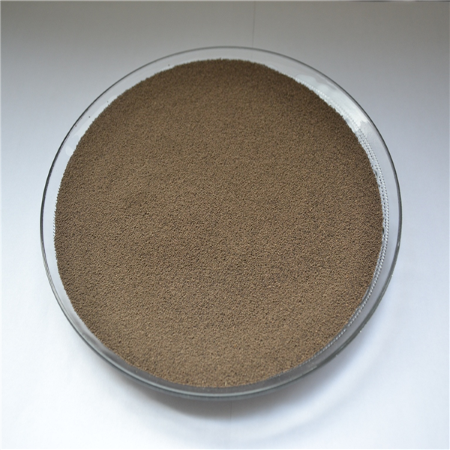

First off, let's understand what flow conductivity is. In simple terms, flow conductivity is a measure of how well fluids can flow through a proppant - filled fracture in a reservoir. It's super important in the oil and gas industry because it directly affects the production rate of hydrocarbons. When we talk about China frac proppant, we're talking about materials that are designed to keep those fractures open and allow the oil and gas to flow freely.
There are different types of frac proppants, and each has its own impact on flow conductivity. For example, we have the High Strength PProppant. This type of proppant is known for its high strength. It can withstand high pressures in the reservoir without getting crushed. When the proppant doesn't get crushed, it maintains the space between the fractures, which is crucial for good flow conductivity. The particles of the High Strength PProppant are well - sorted, which means they pack together in a way that creates channels for the fluids to flow through. This helps in maximizing the flow of oil and gas from the reservoir to the wellbore.
Another great option is the Frac Sand Proppant. Frac sand is a natural material, and it has been used in the industry for a long time. It's relatively inexpensive compared to some other proppants. The shape and size of the sand grains play a big role in its flow conductivity. Well - rounded sand grains tend to have better flow conductivity because they allow fluids to move around them more easily. Our Frac Sand Proppant is carefully selected and processed to ensure that the grains have the right characteristics for optimal flow.
The quality of the proppant also has a huge impact on flow conductivity. We, as a China frac proppant supplier, pay a lot of attention to quality control. We test our proppants in various conditions to make sure they meet the industry standards. For instance, we test the crush resistance, the sphericity (how round the particles are), and the size distribution. If the proppant has a wide range of particle sizes, it can lead to poor packing and reduced flow conductivity. By controlling these factors, we can provide proppants that offer excellent flow conductivity.
The concentration of the proppant in the fracture also matters. If there's too little proppant, the fractures might close up, and the flow conductivity will be low. On the other hand, if there's too much proppant, it can block the flow channels. We work with our clients to determine the right proppant concentration for their specific reservoir conditions. This way, we can ensure that the flow conductivity is optimized.
Reservoir conditions, such as temperature and pressure, also affect the flow conductivity of our proppants. High - temperature reservoirs can cause some proppants to break down or change their properties. That's why we've developed proppants like the High Strength PProppant that can withstand high - temperature environments. These proppants maintain their strength and shape, ensuring that the flow conductivity remains stable even under extreme conditions.
In addition to the physical properties of the proppant, the way it's placed in the fracture is crucial. We use advanced placement techniques to make sure the proppant is evenly distributed in the fracture. This helps in creating a uniform flow path for the fluids. If the proppant is not placed correctly, it can lead to uneven flow and reduced production.
The chemical properties of the proppant can also influence flow conductivity. Some proppants are treated with chemicals to improve their performance. For example, we can coat the proppant particles to make them more resistant to corrosion. Corrosion can damage the proppant and reduce its ability to keep the fractures open. By using chemically - treated proppants, we can enhance the long - term flow conductivity of the reservoir.
As a China frac proppant supplier, we're always looking for ways to improve the flow conductivity of our products. We invest in research and development to come up with new and better proppant technologies. We also collaborate with industry experts to understand the latest trends and challenges in the field.
If you're in the oil and gas industry and looking for high - quality frac proppants with excellent flow conductivity, we'd love to hear from you. Whether you need the High Strength PProppant, Frac Sand Proppant, or other types of proppants, we have the solutions for you. We can work with you to understand your specific needs and provide the best proppant for your reservoir. So, don't hesitate to reach out and start a conversation about how we can help you increase your production through optimized flow conductivity.
References
- Industry reports on frac proppant performance and flow conductivity
- Research papers on the physical and chemical properties of frac proppants