

In the construction industry, high - performance concrete (HPC) has gained significant popularity due to its superior mechanical properties, durability, and long - term performance. Low - density ceramsite, as an important lightweight aggregate, plays a crucial role in the production of high - performance concrete. As a low - density ceramsite supplier, I am well - versed in the requirements for low - density ceramsite in high - performance concrete. In this blog, I will delve into these requirements in detail.
Physical Properties
Particle Size and Gradation
The particle size and gradation of low - density ceramsite have a profound impact on the workability and strength of high - performance concrete. For HPC, a well - graded ceramsite is preferred. A proper gradation ensures that the ceramsite particles can fill the voids between each other efficiently, reducing the amount of cement paste required to fill the gaps. This not only improves the packing density of the concrete but also enhances its strength and durability.
Typically, the particle size of low - density ceramsite for HPC ranges from 5mm to 20mm. A continuous gradation within this range helps to achieve a more uniform distribution of particles in the concrete matrix. For example, a combination of smaller and larger particles can create a dense structure where the smaller particles fill the spaces between the larger ones, leading to a more compact and stronger concrete.
Bulk Density
Low - density ceramsite is characterized by its relatively low bulk density. In high - performance concrete, the bulk density of ceramsite should be carefully controlled. Generally, the bulk density of low - density ceramsite used in HPC is in the range of 300 - 800 kg/m³. A lower bulk density helps to reduce the self - weight of the concrete, which is particularly beneficial in applications such as high - rise buildings and long - span bridges.
However, it is important to note that an extremely low bulk density may also lead to a decrease in the strength of the ceramsite itself, which can negatively affect the overall performance of the concrete. Therefore, a balance needs to be struck between low bulk density and sufficient strength.
Water Absorption
Water absorption is another critical physical property of low - density ceramsite. High - performance concrete requires ceramsite with relatively low water absorption. A ceramsite with high water absorption can absorb a large amount of water during the mixing process, which may lead to a decrease in the workability of the concrete and an increase in the water - cement ratio.
Ideally, the water absorption of low - density ceramsite for HPC should be less than 20% after 24 hours of immersion in water. By controlling the water absorption, the amount of water needed for mixing can be accurately determined, ensuring the proper hydration of cement and the development of optimal strength in the concrete.
Chemical Properties
Chemical Composition
The chemical composition of low - density ceramsite can significantly influence the performance of high - performance concrete. Ceramsite is typically composed of various oxides such as silica (SiO₂), alumina (Al₂O₃), iron oxide (Fe₂O₃), calcium oxide (CaO), and magnesium oxide (MgO).
Silica and alumina are the main components that contribute to the strength and stability of the ceramsite. A higher content of silica and alumina generally results in a stronger and more durable ceramsite. Iron oxide can affect the color of the ceramsite, but it also has an impact on its physical and chemical properties. Calcium oxide and magnesium oxide can participate in the hydration reaction of cement, which may have both positive and negative effects on the concrete depending on their content and form.
Alkali - Aggregate Reactivity
Alkali - aggregate reactivity (AAR) is a potential problem in concrete. Low - density ceramsite used in high - performance concrete should have low alkali - aggregate reactivity. AAR occurs when alkalis in the cement react with certain reactive components in the aggregate, leading to the formation of a gel that can cause expansion and cracking in the concrete over time.
To ensure the long - term durability of high - performance concrete, it is necessary to test the ceramsite for alkali - aggregate reactivity. Suppliers should provide relevant test reports to prove that the ceramsite meets the requirements for low AAR.
Mechanical Properties
Compressive Strength
The compressive strength of low - density ceramsite is a key factor in determining the strength of high - performance concrete. In general, the compressive strength of ceramsite used in HPC should be at least 20 MPa. A higher compressive strength of the ceramsite can contribute to a higher overall strength of the concrete.
During the design of high - performance concrete, the compressive strength of the ceramsite needs to be considered in combination with other factors such as the strength of the cement paste and the aggregate - cement ratio. By selecting ceramsite with appropriate compressive strength, the desired strength of the concrete can be achieved.
Crushing Strength
Crushing strength is also an important mechanical property of low - density ceramsite. It reflects the ability of the ceramsite to resist crushing under load. In high - performance concrete, ceramsite with high crushing strength is preferred. A ceramsite with low crushing strength may break during the mixing, transportation, or compaction process, which can affect the uniformity and performance of the concrete.
The crushing strength of low - density ceramsite for HPC should be sufficient to withstand the stresses generated during the construction and service life of the concrete structure. Suppliers should ensure that the ceramsite meets the required crushing strength standards through proper production and quality control processes.
Applications and Corresponding Requirements
High - Rise Buildings
In high - rise buildings, the self - weight of the structure is a major concern. Low - density ceramsite is used to reduce the weight of the concrete, which helps to reduce the load on the foundation and the structural members. For high - rise building applications, the low - density ceramsite should have a very low bulk density, typically around 300 - 500 kg/m³. At the same time, it should still maintain sufficient compressive strength to ensure the safety and stability of the building. Oil Proppant
Long - Span Bridges
Long - span bridges require concrete with high strength and good durability. Low - density ceramsite used in bridge construction should have high compressive strength and low water absorption. The high compressive strength helps to resist the large bending and shear forces acting on the bridge structure, while low water absorption can prevent the ingress of moisture and aggressive substances, which is crucial for the long - term durability of the bridge. Proppant Oil And Gas

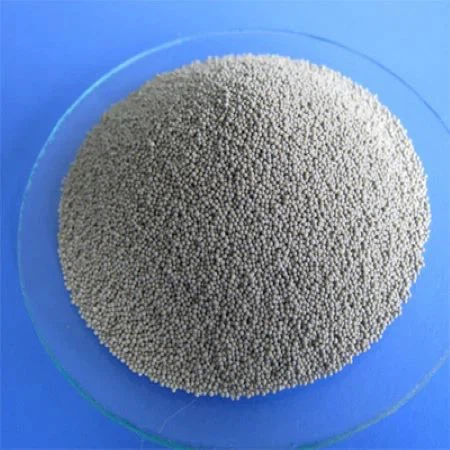
Insulating Concrete
For insulating concrete applications, low - density ceramsite with low thermal conductivity is required. The low thermal conductivity of the ceramsite can help to reduce the heat transfer through the concrete, improving the energy efficiency of the building. In addition to low thermal conductivity, the ceramsite should also have appropriate physical and mechanical properties to ensure the structural integrity of the insulating concrete. Oil Proppant
Conclusion
As a low - density ceramsite supplier, I understand the importance of meeting the requirements for low - density ceramsite in high - performance concrete. The physical, chemical, and mechanical properties of the ceramsite all play crucial roles in determining the performance of the concrete. By carefully controlling these properties, we can provide high - quality low - density ceramsite that meets the diverse needs of different high - performance concrete applications.
If you are interested in purchasing low - density ceramsite for your high - performance concrete projects, please feel free to contact us for further discussion and negotiation. We are committed to providing you with the best products and services to ensure the success of your projects.
References
- Neville, A. M. (1995). Properties of Concrete. Pearson Education.
- Mindess, S., Young, J. F., & Darwin, D. (2003). Concrete: Microstructure, Properties, and Materials. Prentice Hall.
- ACI Committee 211. (2014). Standard Practice for Selecting Proportions for Normal, Heavyweight, and Mass Concrete. American Concrete Institute.