

Hey there! As a fracturing proppant supplier, I've been in the thick of the industry for quite a while. One question that comes up a lot is, "What are the differences between domestic and imported fracturing proppant?" Well, let's dive right in and break it down.
Quality and Performance
First off, quality and performance are major factors. Domestic fracturing proppants are often tailored to meet the specific needs of local oil and gas fields. They're made with materials sourced locally, which can sometimes give them an edge in terms of cost - efficiency. For example, in some regions, the domestic proppants are designed to withstand the unique pressure and temperature conditions of nearby wells.
On the other hand, imported fracturing proppants are usually associated with high - end quality. Many foreign manufacturers have advanced production technologies and strict quality control systems. They might use special raw materials that are not readily available domestically. These proppants often have better roundness and sphericity, which means they can create better conductivity in the fractures. This is crucial for maximizing the flow of oil and gas from the well.
Let's take a look at Proppant Oil and Gas. This type of proppant is used in both domestic and imported scenarios. However, the imported versions might have a more consistent size distribution, which can lead to more stable performance in the long run.
Cost
Cost is always a big deal in the oil and gas industry. Domestic fracturing proppants generally have a cost advantage. Since they're produced locally, there are no shipping costs associated with long - distance transportation from overseas. Also, the domestic supply chain is often more streamlined, which can reduce production costs. This makes domestic proppants a popular choice for smaller operators or those on a tight budget.
Imported proppants, however, can be more expensive. The cost of shipping, import duties, and the higher price of advanced production technologies all contribute to the higher price tag. But, as I mentioned earlier, the higher cost can sometimes be justified by the superior quality and performance. If you're operating a high - yield well where the extra cost can be offset by increased production, imported proppants might be worth considering.
Availability
Availability is another key difference. Domestic fracturing proppants are usually more readily available. You can get them quickly because the production facilities are close by. This is especially important in situations where you need to start or continue a fracturing operation urgently. You don't have to worry about delays due to international shipping or customs clearance.
Imported proppants, on the other hand, can face supply chain disruptions. Delays can occur due to shipping issues, port congestion, or political factors. For example, if there are trade disputes between countries, it can affect the timely delivery of imported proppants. So, if you rely on imported proppants, you need to plan your operations well in advance and have contingency plans in place.
Regulatory and Environmental Factors
Regulatory requirements can vary between domestic and imported fracturing proppants. In some countries, there are strict regulations regarding the chemical composition and environmental impact of proppants. Domestic proppants are usually produced in compliance with local regulations, which can make it easier for operators to meet environmental and safety standards.
Imported proppants need to meet both the regulations of the exporting country and the importing country. This can sometimes lead to more complex compliance procedures. For example, some countries have limits on the amount of certain heavy metals in proppants. Imported proppants need to be tested to ensure they meet these requirements.
Environmental factors also play a role. Domestic proppants can be sourced from local materials, which can reduce the carbon footprint associated with transportation. Additionally, domestic manufacturers might be more aware of local environmental concerns and take steps to minimize their impact.
Types of Proppants
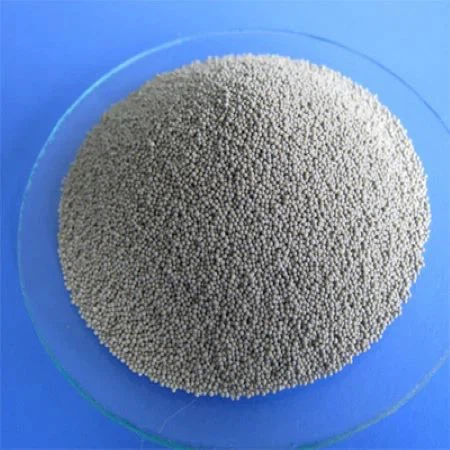
There are different types of fracturing proppants, such as Sand Proppants and ceramic proppants. Sand proppants are the most common type, and both domestic and imported sand proppants are widely used. Domestic sand proppants are often sourced from local sand mines, which can be cost - effective. However, imported sand proppants might come from high - quality sand deposits overseas, which can offer better performance.
Ceramic proppants are generally of higher quality and are more expensive. Imported ceramic proppants often have better mechanical properties, such as higher crush resistance. This makes them suitable for high - pressure and high - temperature wells. Domestic ceramic proppants are also improving in quality, but they might not yet match the performance of some imported counterparts in certain applications.
Customization
Domestic fracturing proppant suppliers are often more flexible when it comes to customization. They can work closely with local operators to develop proppants that meet specific well conditions. Since they're in close proximity, communication is easier, and they can quickly make adjustments to the production process.
Imported proppant suppliers might have more standardized products. While they can offer some level of customization, the process can be more complicated due to the distance and language barriers. However, some large - scale imported proppant manufacturers have the resources to provide customized solutions for major operators.

Conclusion
So, there you have it - the main differences between domestic and imported fracturing proppants. Each has its own advantages and disadvantages, and the choice depends on various factors such as your budget, well conditions, and production requirements.
If you're still not sure which type of fracturing proppant is right for you, don't hesitate to reach out. As a supplier, I can help you analyze your needs and recommend the best option. Whether you're interested in Oil Proppant or other types, I've got you covered. Let's have a chat and see how we can work together to optimize your oil and gas production.
References
- Industry reports on fracturing proppants
- Interviews with oil and gas operators
- Technical documents from proppant manufacturers