

Hey there! I'm a supplier in the sand proppants industry, and today I wanna chat about the regulatory policies that are having an impact on our business.
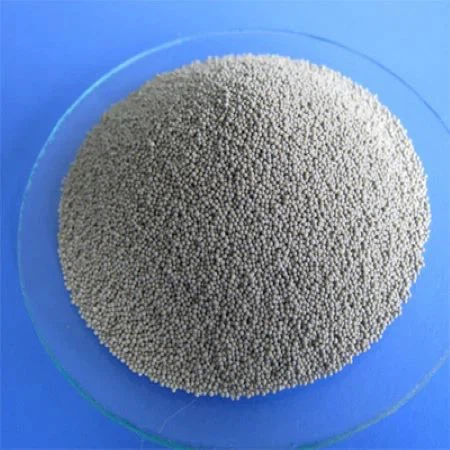
First off, let's talk about what sand proppants are. They're these tiny particles used in the oil and gas industry, especially in hydraulic fracturing. When wells are fracked, these proppants are pumped into the fractures to keep them open, allowing oil and gas to flow more freely. You can learn more about Oil Proppant and Sand Proppants on our website.
One of the major regulatory policies affecting our industry is environmental regulations. Governments around the world are getting stricter about protecting the environment, and the sand proppants industry isn't immune to these rules. For example, there are regulations regarding the mining and processing of sand. Mining operations need to follow strict guidelines to minimize their impact on the land, water, and air. This includes things like proper waste disposal, preventing soil erosion, and controlling dust emissions.
When it comes to waste disposal, we can't just dump the by - products of sand processing anywhere. We have to find environmentally friendly ways to handle them. This might mean recycling some of the waste materials or using them in other industries. It also adds to our costs because we need to invest in the right equipment and processes to meet these waste - management requirements.
Air pollution is another big concern. The mining and processing of sand can generate a lot of dust, which is not only bad for the environment but also for the health of the workers and nearby communities. So, we have to install dust - control systems at our mines and processing plants. These systems can be quite expensive, but it's a necessary cost to comply with the regulations.
Another set of regulations that affect us are safety regulations. In the sand proppants industry, safety is of utmost importance. Workers in mines and processing plants are exposed to various hazards, such as heavy machinery, dust, and chemicals. There are strict rules about worker safety, including providing proper protective equipment, regular safety training, and maintaining a safe working environment.
For example, workers need to wear respirators to protect them from inhaling dust. We also have to conduct regular safety inspections of our equipment to make sure everything is in good working condition. And if there's an accident, we have to follow a specific protocol for reporting and investigating it. These safety regulations help protect our workers, but they also require us to spend time and money on safety measures.
Quality control regulations are also significant in our industry. Sand proppants need to meet certain quality standards to be effective in hydraulic fracturing. The size, shape, and strength of the proppants are all important factors. Regulatory bodies set standards for these properties, and we have to test our products regularly to ensure they meet these standards.
If our sand proppants don't meet the quality standards, they can't be used in the oil and gas industry. This means we have to invest in quality - control equipment and personnel to test our products at every stage of the production process. It also means that if we produce a batch of sub - standard proppants, we have to either re - process them or discard them, which is a loss for our business.
Transportation regulations are yet another aspect that impacts our industry. Once the sand proppants are ready, we need to transport them to our customers. There are rules about how the proppants should be transported, including the type of containers used, the labeling requirements, and the safety measures during transportation.
For example, the containers used to transport sand proppants need to be strong enough to prevent spills. They also need to be labeled correctly to indicate what's inside and any potential hazards. And during transportation, there are rules about the speed, route, and maintenance of the vehicles. These regulations ensure the safe and efficient transportation of our products, but they also add to the complexity and cost of getting our sand proppants to the market.
Now, let's talk about how these regulatory policies affect our business as a sand proppants supplier. On one hand, these regulations are necessary for the long - term sustainability of our industry. They protect the environment, ensure worker safety, and maintain the quality of our products. But on the other hand, they also increase our costs.
The cost of complying with environmental regulations, safety regulations, quality - control regulations, and transportation regulations all add up. These increased costs are then passed on to our customers to some extent. However, in a competitive market, we can't just raise our prices too much because our customers will look for cheaper alternatives. So, we have to find a balance between complying with the regulations and remaining competitive.
We also have to stay updated on these regulations. They are constantly changing, and if we don't keep up, we could face fines and even have our operations shut down. This means we need to have a dedicated team or person to monitor the regulatory environment and make sure our company is always in compliance.
Despite these challenges, I believe that regulatory policies also bring some opportunities for our industry. For example, the push for environmental protection has led to the development of more sustainable sand - mining and processing technologies. We're now exploring new ways to mine sand with less environmental impact, such as using more efficient mining methods and developing alternative sources of sand.
Safety regulations have also led to improvements in the working conditions of our employees. By investing in safety measures, we've seen a decrease in workplace accidents, which not only benefits the workers but also improves our productivity.

Quality - control regulations have helped us build a better reputation in the market. When our customers know that our sand proppants meet strict quality standards, they are more likely to trust us and continue doing business with us.
If you're in the market for Sand Proppants, whether you're an oil and gas company or a distributor, I encourage you to get in touch with us. We understand the regulatory landscape and have taken steps to ensure that our products meet all the necessary standards. We're committed to providing high - quality sand proppants at a competitive price. So, if you have any questions or want to start a procurement discussion, don't hesitate to reach out.
In conclusion, regulatory policies have a significant impact on the sand proppants industry. While they bring challenges in the form of increased costs and complexity, they also offer opportunities for innovation and improvement. As a supplier, we're constantly adapting to these regulations to stay in business and provide the best products to our customers.
References:
- Environmental Protection Agency (EPA) regulations on mining and industrial waste management.
- Occupational Safety and Health Administration (OSHA) guidelines for worker safety in the mining and processing industries.
- Industry - specific quality - control standards set by relevant regulatory bodies.