

As a supplier of anti-wear proppant, I've gotten a lot of questions about its potential risks. It's super important to be upfront about this, so I'm gonna break it all down for you guys.
Health Risks
Let's start with the health aspects. One of the major concerns with anti-wear proppants is the presence of silica dust. When these proppants are handled, crushed, or transported, tiny silica particles can become airborne. Inhaling this dust can lead to some serious health conditions.
Silicosis is a well - known risk. It's a lung disease that causes scarring of the lung tissue. Over time, as more and more silica particles are inhaled, the scarring gets worse, making it harder and harder to breathe. It can progress to a point where it seriously impacts a person's quality of life and can even be fatal.
Another risk is an increased chance of developing lung cancer. The International Agency for Research on Cancer (IARC) has classified crystalline silica as a Group 1 carcinogen. That means there's sufficient evidence to show that it can cause cancer in humans.
Workers in the oil and gas industry, especially those involved in the handling of proppants, are at a particularly high risk. They're often in close proximity to the proppants during the fracturing process and when loading and unloading them. To mitigate these risks, proper safety equipment like respirators should be worn at all times. Employers also need to ensure proper ventilation in the work areas to reduce the concentration of silica dust in the air.
Environmental Risks
The environmental impact of anti-wear proppants is another big deal. When these proppants are used in hydraulic fracturing operations, there's a risk of them leaching into the soil and groundwater. Some proppants may contain heavy metals or other chemicals that can be harmful to the environment.
For example, if heavy metals like lead, mercury, or cadmium are present in the proppants, they can contaminate the soil. This can have a negative impact on plant growth and can also enter the food chain if plants absorb these metals from the soil.
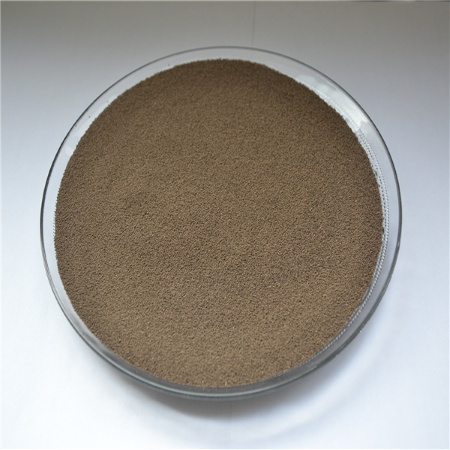

In terms of groundwater contamination, the same heavy metals and chemicals can seep down into the water table. This can make the water unfit for drinking and can also harm aquatic life. Aquatic organisms are very sensitive to changes in water quality, and the presence of these contaminants can disrupt their ecosystems.
To address these environmental risks, proper disposal methods are crucial. After the fracturing process, any unused proppants should be stored and disposed of in a way that prevents them from leaching into the environment. Some companies are also looking into more environmentally friendly proppant options, like Frac Sand Proppant, which may have a lower environmental impact.
Operational Risks
There are also risks associated with using anti-wear proppants in the actual operation of a fracturing job. One of the issues is the settling of proppants in the wellbore. If the proppants don't stay suspended properly in the fracturing fluid, they can settle to the bottom of the wellbore. This can lead to uneven distribution of the proppants in the fractures, reducing the effectiveness of the fracturing process.
The proppants also need to have the right strength. If they're too weak, they can break under the high pressures in the well. This broken proppant can then migrate out of the fractures and cause blockages in the wellbore or the production equipment. On the other hand, if the proppants are too strong, they can be more difficult to pump and may cause more wear and tear on the pumping equipment.
Our High Strength PProppant is designed to have the right balance of strength to minimize these operational risks. But it's still important for operators to carefully consider the properties of the proppants they use and how they'll interact with the specific conditions of each well.
Economic Risks
From an economic perspective, there are a few potential risks. The cost of anti-wear proppants can be relatively high compared to other types of proppants. If the price of oil or gas drops significantly, the cost - benefit analysis of using these more expensive proppants may change. Operators may be less willing to invest in high - quality anti - wear proppants if they're not seeing a good return on their investment.
There's also the risk of supply chain disruptions. If there are problems with the production or transportation of the proppants, it can cause delays in the fracturing operations. This can lead to increased costs for the operators, as they may have to pay for idle equipment and labor.
At our company, we understand these economic concerns. That's why we work closely with our customers to ensure a stable supply of our Frac Sand Proppant and to offer competitive pricing.
Wrapping It Up
So, as you can see, there are several potential risks associated with using anti - wear proppants. But don't let that scare you off. With proper safety measures, environmental management, operational planning, and economic forecasting, these risks can be managed effectively.
At our company, we're committed to providing high - quality anti - wear proppants that meet the highest safety and performance standards. We continuously work on improving our products to reduce the potential risks. If you're in the market for anti - wear proppants and want to learn more about how we can help you manage these risks, feel free to reach out to us for a procurement discussion. We're here to answer all your questions and find the best solutions for your needs.
References
International Agency for Research on Cancer (IARC). Monographs on the Evaluation of Carcinogenic Risks to Humans. Crystalline Silica.
Various industry reports on hydraulic fracturing and proppant usage.