

In the dynamic landscape of the energy industry, China has emerged as a significant player in the production and supply of frac proppants. As a supplier of China frac proppant, I have witnessed firsthand the complexities and nuances that influence the transportation cost of these essential materials. In this blog post, I will delve into the various factors that affect the transportation cost of China frac proppant, providing insights that can help both suppliers and buyers make informed decisions.
1. Distance and Location
One of the most fundamental factors influencing the transportation cost of China frac proppant is the distance between the production site and the destination. Longer distances generally translate to higher transportation costs due to increased fuel consumption, vehicle wear and tear, and labor expenses. For instance, if a frac proppant is produced in a remote area in western China and needs to be shipped to a coastal city in the east, the transportation cost will be significantly higher compared to a shorter - distance delivery.
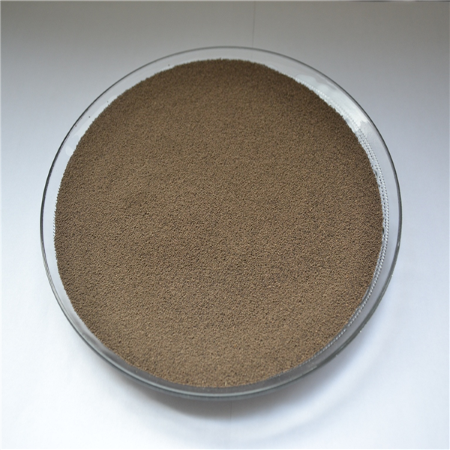

Moreover, the location of the production facility also matters. Facilities located near major transportation hubs, such as ports, railways, or highways, can enjoy lower transportation costs. This is because they have easier access to efficient transportation modes, which can reduce the time and cost involved in moving the proppant. For example, a proppant supplier located near a major port can take advantage of bulk shipping options, which are often more cost - effective than other modes of transportation for long - distance deliveries.
2. Transportation Mode
The choice of transportation mode has a profound impact on the cost of transporting China frac proppant. There are several common transportation modes available, including trucks, trains, and ships, each with its own cost structure.
- Trucks: Trucks offer flexibility and door - to - door delivery, which is ideal for short - distance and small - volume shipments. However, they are relatively expensive per unit of weight or volume, especially for long - distance hauls. The cost of truck transportation includes fuel, driver wages, vehicle maintenance, and tolls. Additionally, factors such as traffic congestion and road conditions can further increase the cost.
- Trains: Trains are a more cost - effective option for long - distance and large - volume shipments. They can carry a large amount of proppant at once, which reduces the per - unit transportation cost. Rail transportation also has lower fuel consumption per ton - mile compared to trucks, making it more environmentally friendly. However, trains require specific infrastructure, such as rail lines and loading/unloading facilities, and they may not offer the same level of flexibility as trucks.
- Ships: For international or long - distance domestic shipments, ships are often the most economical choice. Bulk carriers can transport large quantities of frac proppant across oceans or large bodies of water. The cost of shipping includes vessel charter fees, fuel, port charges, and handling fees. However, shipping is a relatively slow mode of transportation, and it may require additional transportation at both the origin and destination to connect to the final delivery point.
3. Proppant Characteristics
The physical and chemical characteristics of the frac proppant also play a role in determining the transportation cost.
- Density and Volume: Proppants with higher density or larger volume will require more space and energy to transport. For example, High Strength PProppant may have different density characteristics compared to other types of proppants. Higher - density proppants may require stronger and more expensive transportation equipment to handle the weight, while larger - volume proppants may need more space in the transportation vehicle, reducing the overall efficiency of the shipment.
- Packaging: The way the proppant is packaged can affect transportation cost. Bulk shipments are generally more cost - effective than packaged shipments because they eliminate the cost of packaging materials and the labor involved in packaging. However, some proppants may require special packaging to protect them from damage during transportation, which can add to the cost. For example, certain types of Frac Sand Proppant may need to be packaged in sealed containers to prevent dust and moisture from affecting their quality.
4. Market Conditions
The overall market conditions in the transportation industry can also influence the cost of transporting China frac proppant.
- Fuel Prices: Fuel is a major cost component in transportation. Fluctuations in fuel prices can have a significant impact on the transportation cost. When fuel prices rise, transportation companies often pass on the increased cost to their customers. As a result, the cost of transporting frac proppant will also increase.
- Supply and Demand: The balance between the supply and demand of transportation services can affect prices. During peak seasons or when there is a high demand for transportation, such as during a boom in the oil and gas industry, the cost of transportation may increase due to the limited availability of transportation capacity. Conversely, when the demand is low, transportation companies may offer more competitive prices to attract customers.
5. Regulatory and Environmental Factors
Regulatory requirements and environmental considerations can also add to the transportation cost of China frac proppant.
- Regulatory Compliance: Transportation companies are subject to various regulations, such as safety standards, weight limits, and emissions requirements. Complying with these regulations can increase the cost of transportation. For example, trucks may need to be equipped with special safety devices, and drivers may need to undergo additional training to meet regulatory requirements.
- Environmental Regulations: With the growing concern for environmental protection, there is an increasing push towards more sustainable transportation options. Some regions may impose taxes or fees on transportation modes with high emissions, such as trucks, to encourage the use of more environmentally friendly alternatives. This can lead to an increase in the cost of transporting proppant using certain modes of transportation.
6. Production Volume and Frequency of Shipments
The production volume and the frequency of shipments can also affect the transportation cost.
- Economies of Scale: Larger production volumes can lead to economies of scale in transportation. When a supplier produces a large quantity of proppant, they can negotiate better rates with transportation companies. For example, a supplier that can fill an entire train car or a ship's hold is more likely to get a lower per - unit transportation cost compared to a supplier that only ships small quantities.
- Frequency of Shipments: Frequent shipments may require more efficient transportation planning and coordination. If a supplier needs to make regular, small - volume shipments, they may face higher costs due to the need for more frequent loading and unloading operations and the lack of economies of scale. On the other hand, less frequent but larger - volume shipments can be more cost - effective in terms of transportation.
As a China frac proppant supplier, understanding these factors is crucial for managing transportation costs and providing competitive pricing to our customers. By carefully considering the distance, transportation mode, proppant characteristics, market conditions, regulatory requirements, and production volume, we can optimize our transportation strategies and ensure that our customers receive high - quality proppants at a reasonable cost.
If you are interested in purchasing our High Strength PProppant or other frac proppant products, we invite you to contact us for a detailed discussion. We are committed to providing you with the best products and services, and we look forward to establishing a long - term partnership with you.
References
- “Transportation Economics” by John R. Meyer and Clifford F. Moore
- Industry reports on the oil and gas proppant market
- Publications on transportation regulations and environmental policies in China