

Hey there, fellow gardening enthusiasts! I'm here today to chat about something that's been a bit of a hot topic in the horticulture world - medium density ceramsite. And guess what? I'm also a supplier of this nifty stuff, so I've got some insider knowledge to share.
First off, let's break down what medium density ceramsite actually is. It's basically a lightweight, porous ceramic material that's made by heating clay or shale at super high temperatures. This process gives it some pretty unique properties that can be really useful in horticulture.
One of the big advantages of using medium density ceramsite in your garden is its excellent drainage capabilities. You know how plants can get all waterlogged and start to rot if they're sitting in soggy soil? Well, ceramsite helps prevent that. Its porous structure allows water to flow through easily, so the roots of your plants don't end up drowning. This is especially great for plants that prefer well-drained soil, like succulents and cacti.
Another cool thing about medium density ceramsite is its ability to retain some moisture. Even though it drains well, it can hold onto a little bit of water, which means you don't have to water your plants as often. This is not only convenient for you but also helps conserve water, which is always a plus.
It's also a pretty stable material. Unlike some other growing media, ceramsite doesn't break down easily over time. This means you can use it for multiple growing seasons without having to replace it. It won't compact like soil can, so your plants' roots will have plenty of room to grow and breathe.
Now, let's talk about how you can use medium density ceramsite in your horticultural projects. One common way is to mix it with soil. You can add a layer of ceramsite at the bottom of your plant pots to improve drainage. Then, you can mix some ceramsite into the soil on top. This helps create a light, airy growing medium that's great for a wide variety of plants.
You can also use medium density ceramsite as a standalone growing medium. Some hydroponic systems use ceramsite as a substrate for the plants. The plants' roots can grow through the ceramsite, and the water and nutrients can be delivered directly to the roots. This is a really efficient way to grow plants, especially in a controlled environment.
But it's not all sunshine and rainbows. There are a few things to keep in mind when using medium density ceramsite in horticulture. One is that it doesn't have a lot of nutrients on its own. So, you'll need to make sure you're providing your plants with the right fertilizers. You can use liquid fertilizers or slow-release fertilizers to keep your plants healthy.
Another thing is that ceramsite can be a bit more expensive than some other growing media, like soil. However, when you consider its long lifespan and the benefits it provides, it can be a worthwhile investment.
Now, I want to mention a couple of related products that might be of interest to you. If you're in the oil and gas industry, you might be interested in our Frac Sand Proppant. It's a high-quality proppant that's used in hydraulic fracturing operations. And for those looking for a strong and reliable proppant, check out our High Strength PProppant and High Strength PProppant Factory.
So, is medium density ceramsite suitable for use in horticulture? In my opinion, absolutely! It has a lot of great properties that can help you grow healthy, happy plants. Whether you're a professional gardener or just someone who likes to grow a few plants at home, I think you'll find that medium density ceramsite is a valuable addition to your gardening toolkit.

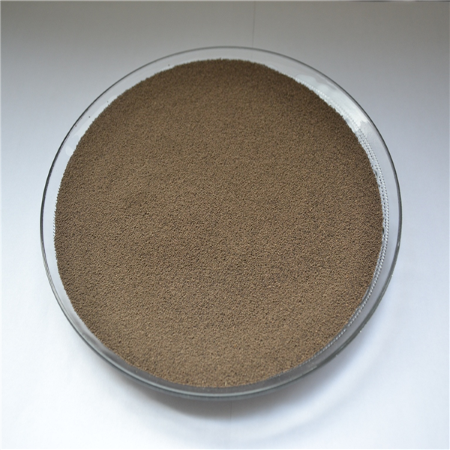
If you're interested in purchasing medium density ceramsite for your horticultural projects, I'd love to talk to you. Just reach out, and we can discuss your needs and see how we can work together.
References
- Smith, J. (2020). Horticultural Growing Media. Gardening Today, 12(3), 45-52.
- Johnson, A. (2019). The Benefits of Using Ceramsite in Hydroponics. Hydroponic Journal, 8(2), 67-74.