

Hey there! I'm a supplier in the hydraulic fracturing proppant industry, and today I wanna chat about the new technologies for hydraulic fracturing proppant placement.
Hydraulic fracturing, or fracking as it's more commonly known, has revolutionized the oil and gas industry. It's a process where fluid is injected into the ground at high pressure to create fractures in the rock, allowing oil and gas to flow more freely. Proppants play a crucial role here. They're like little wedges that keep these fractures open, so the hydrocarbons can keep coming out.
First off, let's talk about traditional methods. In the old days, we used simple gravity - based placement. Proppants were just mixed with the fracturing fluid and pumped down into the well. The idea was that as the fluid carried the proppants into the fractures, gravity would do the rest, depositing the proppants where they needed to be. But this method had its limitations. The distribution of proppants often wasn't even, and in some cases, the proppants would settle too quickly, leaving parts of the fracture without proper support.

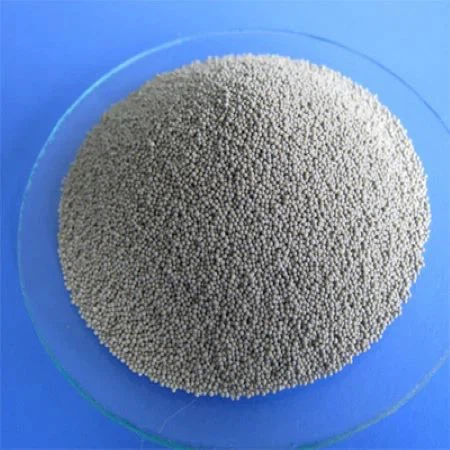
Now, new tech has come to the rescue. One of the coolest new technologies is the use of engineered fluids. These are special fluids designed to carry proppants more effectively. They have unique rheological properties, which means they can change their flow behavior depending on the conditions. For example, they can be more viscous when the fluid is being pumped down the well to keep the proppants suspended, and then become less viscous once they reach the fractures, allowing the proppants to be placed more precisely.
Another great advancement is the use of fiber - reinforced proppants. Fibers are added to the proppant - fluid mixture. These fibers act like a net, holding the proppants together and preventing them from settling too fast. They also help in distributing the proppants more evenly throughout the fracture. This technology has been a game - changer, especially in horizontal wells where traditional proppant placement was even more challenging.
Robotics are also making their way into proppant placement. Automated systems can now be used to monitor and control the injection of proppants. These robots can adjust the flow rate, the pressure, and the amount of proppants being pumped based on real - time data from the well. This leads to a much more accurate and efficient proppant placement.
Let's not forget about the use of nanotechnology. Nanoparticles can be added to the proppant or the fracturing fluid. These tiny particles can improve the strength and conductivity of the proppants. They can also help in reducing the friction between the proppants and the fractures, allowing for better placement.
Now, I'd like to introduce some of the proppants we supply. We have Sand Proppants, which are made from high - quality sand. They're cost - effective and work great in many fracking applications. Our Oil Proppant is specifically designed for oil wells. It has excellent strength and conductivity properties. And our Proppant Oil And Gas is versatile and can be used in a wide range of oil and gas wells.
If you're in the oil and gas industry and looking for reliable proppants and the latest in proppant placement technology, we're here to help. Whether you're working on a small - scale project or a large - scale operation, we can provide you with the right proppants and advice on the best placement methods. We're always happy to have a chat about your specific needs and how our products can fit into your operations. So, don't hesitate to reach out and start a conversation about procurement.
References:
- Smith, J. (2022). Advancements in Hydraulic Fracturing Proppant Technology. Journal of Petroleum Engineering.
- Johnson, A. (2023). The Role of New Fluids in Proppant Placement. Oil and Gas Review.
- Williams, B. (2021). Nanoparticle - Enhanced Proppants for Fracking. Energy Innovation Journal.