

Hey there! As a supplier of anti-wear proppant products, I often get asked about the certification requirements for these items. So, I thought I'd write a blog post to share some insights on what it takes for anti-wear proppants to meet the necessary standards.
First off, let's briefly touch on what anti-wear proppants are. In the oil and gas industry, proppants are used in hydraulic fracturing operations. Anti-wear proppants, specifically, are designed to withstand the harsh conditions downhole, like high pressure and abrasion, and keep the fractures in the rock open, allowing the oil and gas to flow more freely to the wellbore.
One of the most important certifications you'll often hear about is ISO (International Organization for Standardization) certification. ISO has a bunch of standards that are relevant to anti-wear proppants. For example, ISO 13503 is a series of standards that cover various aspects of the oil and gas industry, including hydraulic fracturing operations. This standard sets guidelines for things like proppant properties, testing methods, and quality control.
Proppants need to meet certain physical and chemical property requirements under ISO 13503. For physical properties, parameters like particle size distribution, roundness, and sphericity are crucial. A well - rounded and spherical proppant is more likely to pack efficiently in the fractures, providing better conductivity for the oil and gas. Chemical properties are also important. Things like acid solubility can affect the proppant's performance over time. If the proppant dissolves too much in acidic conditions downhole, it can lose its structural integrity, and the fractures may close up.
Another key certification is API (American Petroleum Institute) certification. The API has developed standards for frac proppants, such as API RP 60. This standard focuses on the specifications for proppants used in hydraulic fracturing. It includes requirements for crush resistance, which is a major factor for anti-wear proppants. When high pressure is applied downhole, the proppants need to resist crushing. If they break apart, they can create fines that can clog the fractures and reduce the flow of oil and gas.
Meeting API standards also involves ensuring consistent quality in production. The manufacturing process of anti - wear proppants must be carefully controlled to make sure that each batch of proppants meets the specified requirements. This might involve strict control over raw materials, production temperature, and processing time.
Now, let's talk about specific types of anti - wear proppants and related certifications.
If you're interested in High Strength PProppant, it's usually expected to have a high crush resistance. The high - strength nature of this proppant means it can handle extreme downhole pressures. To get the proper certifications for high - strength proppants, manufacturers often need to conduct extensive testing. For example, a crush test where a known amount of proppant is subjected to increasing pressure until a certain percentage of it crushes. The results of these tests are then compared to the standards set by ISO or API.
Frac Sand Proppant is another popular type. Sand is a natural material, but for it to be used as an effective anti - wear proppant, it still needs to meet certification requirements. The sand needs to have the right size, shape, and purity. Impurities in the sand can cause problems, such as increased acid solubility or reduced crush resistance. Certification for frac sand proppants usually involves tests for silica content, particle size analysis, and turbidity (which can indicate the presence of fine particles that might cause clogging).
Frac Proppant in general, whether it's sand - based or ceramic - based, has to prove its worth in the market through proper certifications. These certifications not only give the end - users confidence in the product's performance but also help in regulatory compliance.
Some regions may also have their own local certifications or requirements. For example, in Europe, there are additional environmental and safety regulations that proppant products need to comply with. These can include restrictions on certain chemicals that might be used in the manufacturing process or requirements for proper waste management during production.
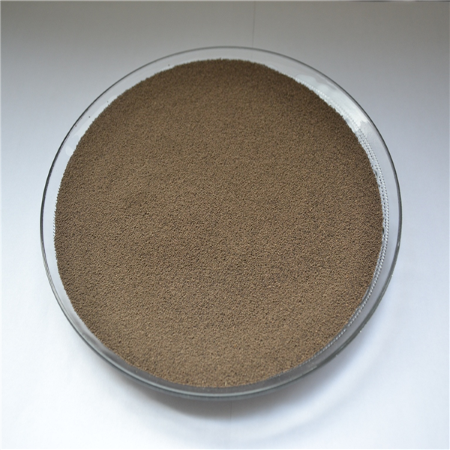

As a supplier, we take these certification requirements very seriously. We have a dedicated quality control team that monitors every step of the production process. From sourcing the raw materials to the final packaging, we ensure that our anti - wear proppants meet or exceed the necessary standards. Our testing facilities are constantly updated with the latest equipment to ensure accurate and reliable test results.
We also work closely with certification bodies to get our products properly certified. This involves providing detailed documentation about our manufacturing processes, test results, and quality control measures. The certification bodies then conduct their own audits and tests to verify our claims.
If you're in the oil and gas industry and are looking for high - quality anti - wear proppants, it's important to choose a supplier who can provide certified products. The certifications act as a guarantee that the proppants will perform as expected in your hydraulic fracturing operations.
I encourage you to reach out if you're interested in discussing your proppant needs further. Whether you have questions about the certification process or want to know more about our products, we're here to help. Don't hesitate to get in touch and start a conversation about how our anti - wear proppants can fit your requirements.
References:
- ISO 13503 series for oil and gas industry standards
- API RP 60 for frac proppant specifications